By Jill Nicholas
One of the first things buyers notice when touring Naples is how varied the architecture is. Within a few blocks in Old Naples, you might pass a stucco Mediterranean Revival estate, an Old Florida cottage, and a sleek Coastal Contemporary with floor-to-ceiling glass. That range reflects decades of building history and a luxury buyer base with distinct tastes. Understanding the dominant architectural styles in Naples helps buyers identify what they are drawn to and know what to look for when exploring different communities.
Key Takeaways
-
Mediterranean Revival is the most recognizable architectural style in Naples and remains a staple in prestigious communities like Port Royal and Aqualane Shores
-
Old Florida style carries historical significance in neighborhoods like Old Naples and Crayton Cove
-
Coastal Contemporary has grown rapidly in popularity, favored by buyers who prioritize clean lines, natural light, and seamless indoor-outdoor flow
-
Transitional architecture, blending classic and modern elements, has become one of the most sought-after styles in newer Naples luxury construction
Mediterranean Revival
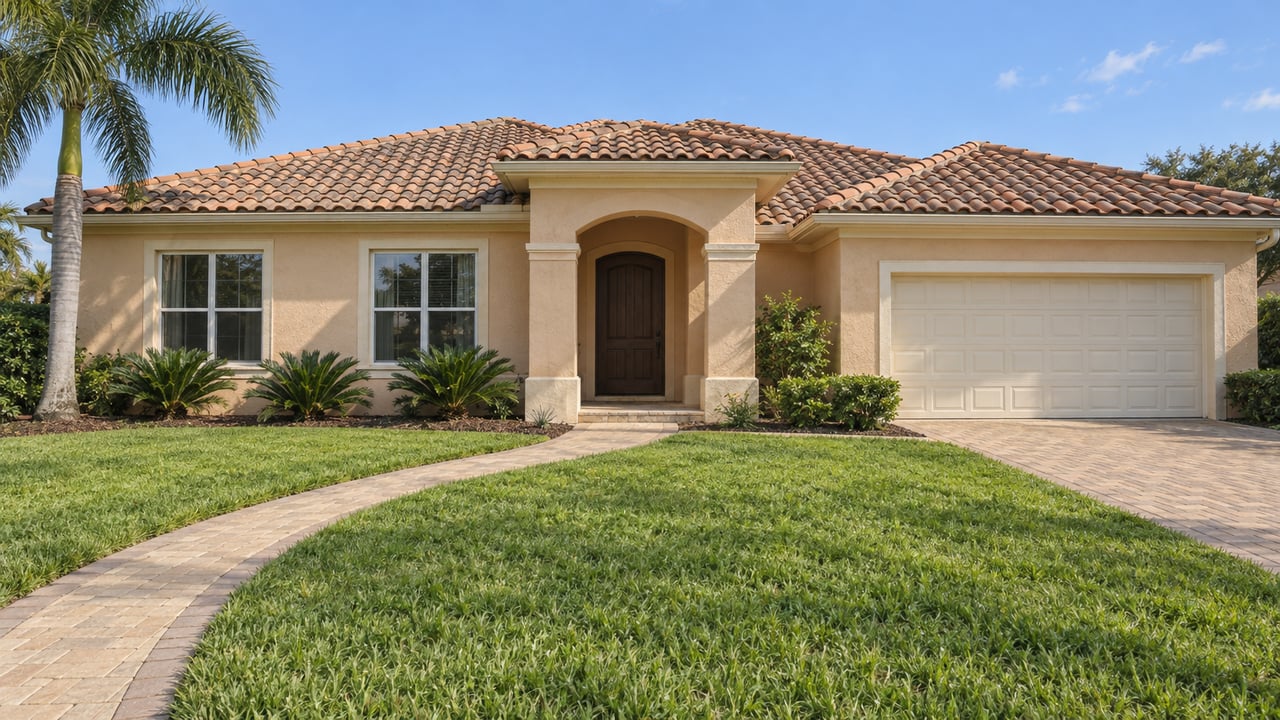
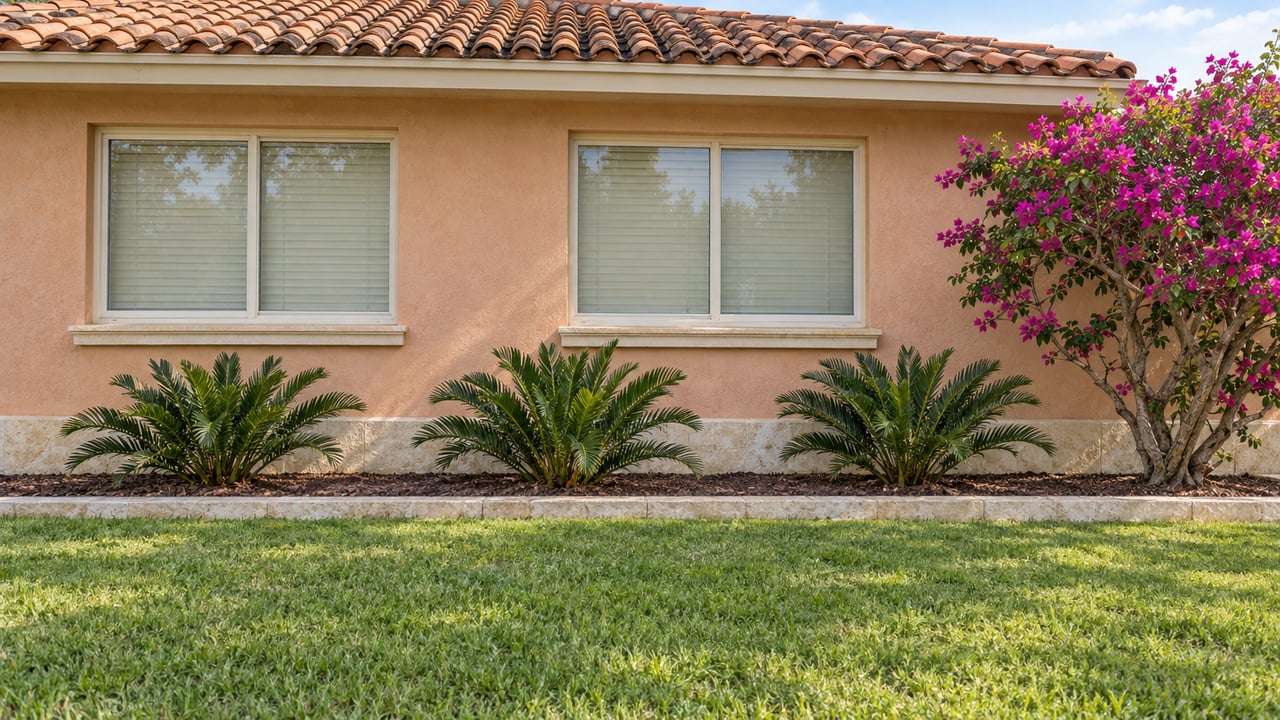
Mediterranean Revival is the architectural signature of Naples. Inspired by the villas of Spain and Italy, the style emerged in Florida during the 1920s and remains synonymous with upscale coastal living. The defining characteristics are immediately recognizable: red clay barrel tile roofs, stucco exteriors in warm earth tones, arched windows and doorways, wrought iron accents, and interior courtyards that blur the boundary between indoor and outdoor space.
In Naples, this style is particularly prevalent in Port Royal, Aqualane Shores, and The Moorings. The deep eaves and wide overhangs are not just aesthetic — they provide meaningful shade in Naples' subtropical climate.
In Naples, this style is particularly prevalent in Port Royal, Aqualane Shores, and The Moorings. The deep eaves and wide overhangs are not just aesthetic — they provide meaningful shade in Naples' subtropical climate.
What Defines a Mediterranean Revival Home in Naples
-
Red clay barrel tile roof with wide overhangs and deep eaves
-
Stucco exterior in earth tones — ochre, terracotta, sandy cream
-
Arched windows, doorways, and covered loggias for outdoor entertaining
-
Wrought iron balconies, decorative tile, and interior courtyards
-
Lush Mediterranean-inspired landscaping with palms, olive trees, and water features
Old Florida Style
Old Florida architecture traces its roots to the wood-frame homes built by Naples' earliest settlers in the 19th century. In their modern form, Old Florida homes in Naples are recognizable by their white or pastel exteriors, metal roofs with a low slope, large front porches, louvered shutters, and generous ceiling heights designed to capture natural ventilation. The style conveys what Naples residents call casual luxury — an unhurried elegance that feels at home a block from the beach.
This style is found most authentically in Old Naples and Crayton Cove, where the city's earliest residential blocks have been preserved and reimagined for contemporary buyers. A well-executed Old Florida home makes no concession to formality, combining the character of the city's origins with modern finishes and open floor plans.
This style is found most authentically in Old Naples and Crayton Cove, where the city's earliest residential blocks have been preserved and reimagined for contemporary buyers. A well-executed Old Florida home makes no concession to formality, combining the character of the city's origins with modern finishes and open floor plans.
Hallmarks of Old Florida Style in Naples
-
White or pastel exterior with a metal roof — low slope or standing seam
-
Wrap-around or deep front porch with louvered shutters and ceiling fans
-
High ceilings with open beams and abundant natural light
-
Seamless indoor-outdoor connection through large pocket or sliding glass doors
-
Tropical landscaping: native plantings, live oaks, and lush groundcover
Coastal Contemporary
Coastal Contemporary has been the fastest-growing architectural style in Naples over the past decade, and it is easy to understand why. Clean lines, minimal ornamentation, expansive glass, and a focus on bringing the surrounding landscape into the home all align with what high-net-worth buyers relocating from major metros tend to prioritize. These homes are designed to maximize light, views, and indoor-outdoor flow — particularly relevant in communities like Pelican Bay and Park Shore, where Gulf views and preserve sightlines are among the most valuable assets a property can offer.
New Coastal Contemporary construction in Naples also incorporates Miami-Dade rated impact windows, raised slabs, and whole-home generator systems — combining modern aesthetics with the resilience Southwest Florida requires.
New Coastal Contemporary construction in Naples also incorporates Miami-Dade rated impact windows, raised slabs, and whole-home generator systems — combining modern aesthetics with the resilience Southwest Florida requires.
Characteristics of Coastal Contemporary Homes
-
Large format windows and glass walls — often 14 to 20-foot sliders or corner pocket doors
-
Clean rooflines: flat or low slope, often with metal or tile in neutral tones
-
Open floor plans with a focus on sightlines from entry through to the water or preserve beyond
-
Resort-level outdoor living spaces: covered lanais, summer kitchens, saltwater pools, and integrated spas
-
Neutral exterior palettes — white, warm gray, soft sand — with architectural lighting as a primary design element
Transitional Architecture
Transitional architecture has quietly become one of the most popular styles among Naples luxury buyers, particularly in newer construction and extensively renovated properties. It bridges the gap between traditional and contemporary — offering the symmetry, detail, and warmth of classical design alongside the cleaner lines, open layouts, and lighter material palettes of modern building. For buyers who appreciate the elegance of traditional architecture but prefer interiors that feel current, transitional homes offer the most flexible canvas.
This style has grown in prominence over the past decade as buyers with diverse aesthetic backgrounds find common ground in designs that feel neither dated nor aggressively modern.
This style has grown in prominence over the past decade as buyers with diverse aesthetic backgrounds find common ground in designs that feel neither dated nor aggressively modern.
What Identifies a Transitional Home in Naples
-
Symmetrical facades with restrained classical detailing — columns, moldings, and pitched rooflines without heavy ornamentation
-
Neutral interior palettes that balance warm wood tones with clean whites and light stones
-
Open floor plans with defined living areas that feel intentional rather than purely open-concept
-
Indoor-outdoor integration through large glass doors, though more architecturally framed than in pure Contemporary designs
-
High-end finishes throughout: custom cabinetry, natural stone, and designer fixtures that elevate without overwhelming
Frequently Asked Questions
What is the most common architectural style in Naples, Florida?
Mediterranean Revival is the most prevalent style in Naples and has been the architectural standard in the city's most prestigious communities — Port Royal, Aqualane Shores, and The Moorings — for decades. Coastal Contemporary has grown significantly in new construction and extensively renovated properties over the past ten years.
Which architectural styles are most common in Old Naples?
Old Naples is home to some of the city's most authentic Old Florida-style residences, particularly around Crayton Cove and the historic streets closest to the Naples Pier. Mediterranean Revival is also well represented in Old Naples, especially in larger estate properties a few blocks from the Gulf.
Does architectural style affect home value in Naples?
Style alone does not determine value, but condition, location, and how well a home has been executed within its chosen style all matter significantly. Buyers in Naples' luxury market consistently respond to homes that feel architecturally coherent — where the exterior, interior, and outdoor spaces all reflect a consistent design vision.
Find the Naples Home That Fits Your Vision
Naples offers a range of architectural styles unlike anywhere else on the Gulf Coast — and the right home is a question of knowing what you are looking for and which communities tend to deliver it. If you are ready to start your search, reach out to me, Jill Nicholas, and let's find the right match for your taste and lifestyle.